



Chevrolet SSR Signature Series
Introduction to the Chevrolet SSR Signature Series
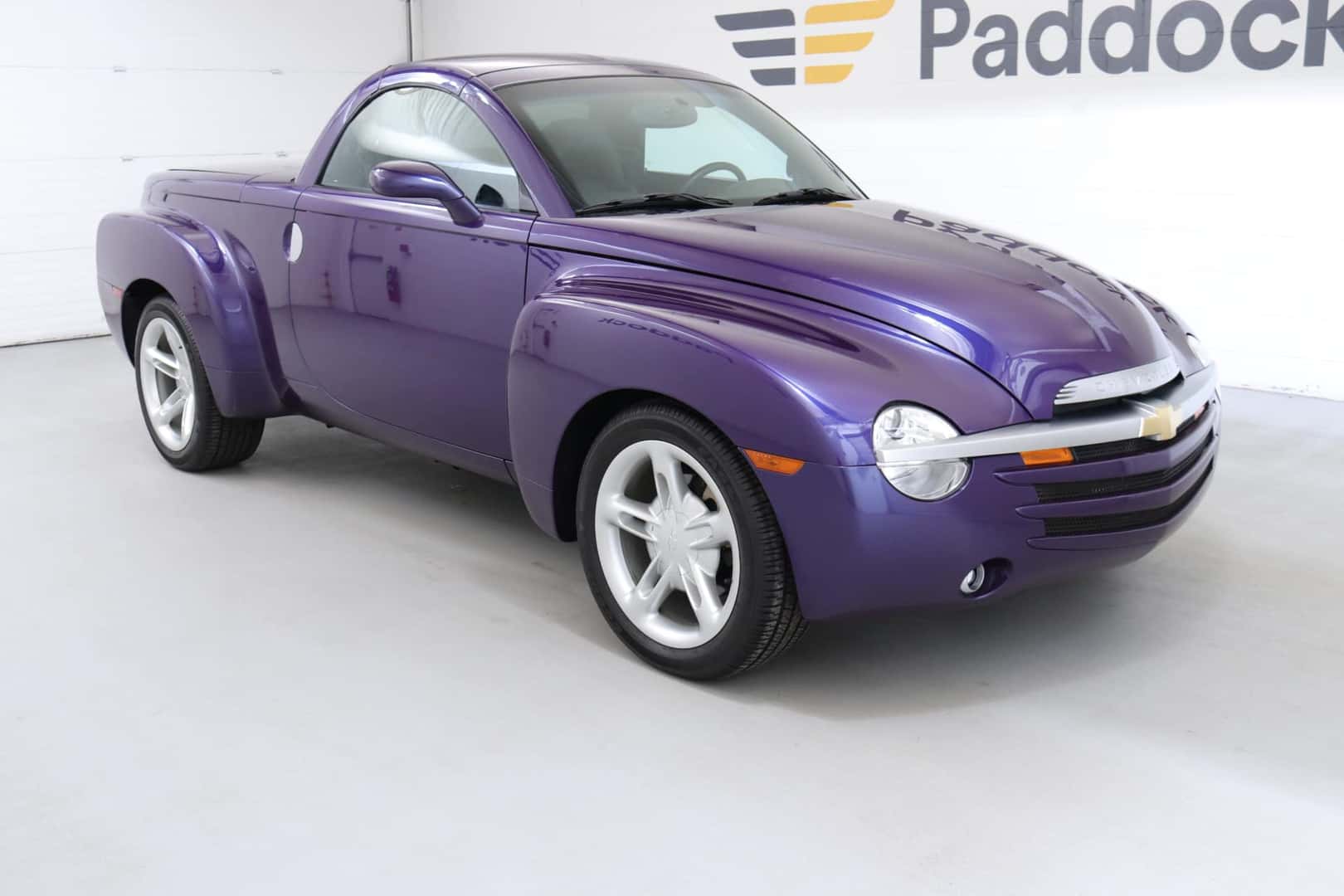
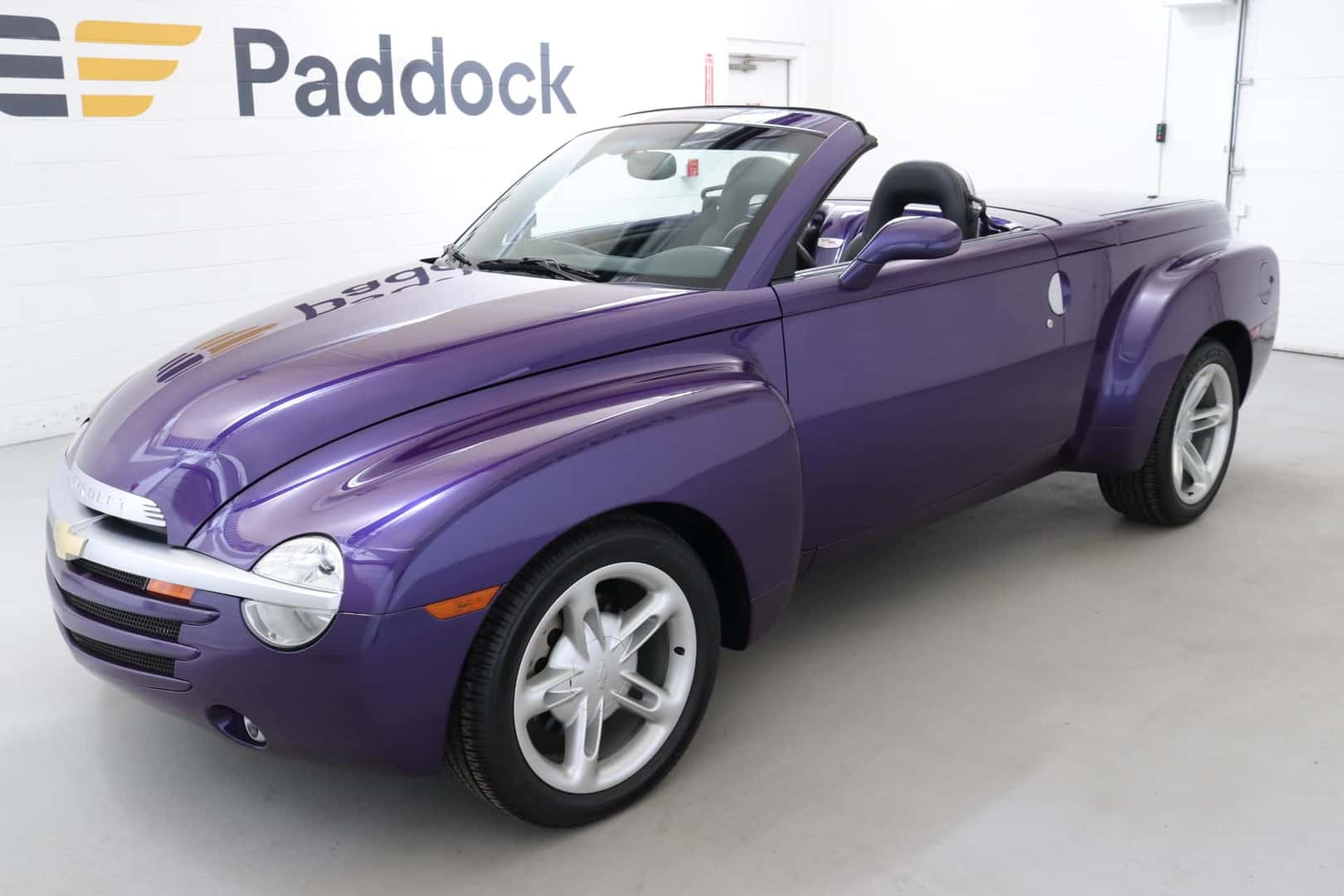
The Chevrolet SSR (Super Sport Roadster) Signature Series represents a highly exclusive limited-edition variant of the SSR, with production strictly capped at 25 units. These vehicles were the inaugural saleable examples of the SSR model, hand-assembled at General Motors’ Lansing Craft Centre in Michigan. Distinguished by their Ultra Violet paint and unique badging, they were crafted to commemorate the launch of the SSR and to build collector appeal through documented pedigrees involving high-profile events.
Available Now: View our 2003 SSR by clicking here.
History and Development of the Chevrolet SSR
The development of the Chevrolet SSR originated from a concept vehicle unveiled at the 2000 North American International Auto Show in Detroit. This concept was part of a broader display of 12 vehicles from various General Motors brands, but the SSR distinguished itself with its retro-inspired design, evoking the aesthetics of 1947-1953 Chevrolet pickups while incorporating modern elements such as a retractable hardtop. The project was spearheaded by GM Design Vice President Wayne Cherry, who sought to create a contemporary interpretation of classic 1950s pickups tailored for the street-rod custom truck market. A dedicated design studio utilized advanced digital tools, including math models and virtual reality simulations, to refine the vehicle’s proportions without relying on traditional clay models.
The concept featured a low-slung stance on performance tires, flared fenders, and a high-output 6.0-liter V-8 engine. However, for production, the SSR was adapted to a shortened GMT 360/370 chassis derived from the Chevrolet Trailblazer SUV, which increased its dimensions to accommodate safety standards and manufacturing feasibility. This adaptation presented challenges, including redesigns to the floor pan, cowl, and sheet metal to maintain crashworthiness while preserving the original aesthetic. The retractable hardtop, developed in collaboration with ASC and Karmann, was a key innovation, folding vertically to store between the cabin and cargo bed without compromising utility.
Approval for production was granted swiftly following enthusiastic reviews from GM’s North American Strategy Board in September 1999. GM CEO Rick Wagoner announced the vehicle’s production intent in August 2000, with the first saleable units emerging in July 2003. The SSR was manufactured at the Lansing Craft Centre, a facility specialized in low-volume, high-quality vehicles. Production spanned from mid-2003 to mid-2006, totaling approximately 24,150 units, though sales were modest due to market positioning and pricing.
The Story of the Signature Series Limited Edition
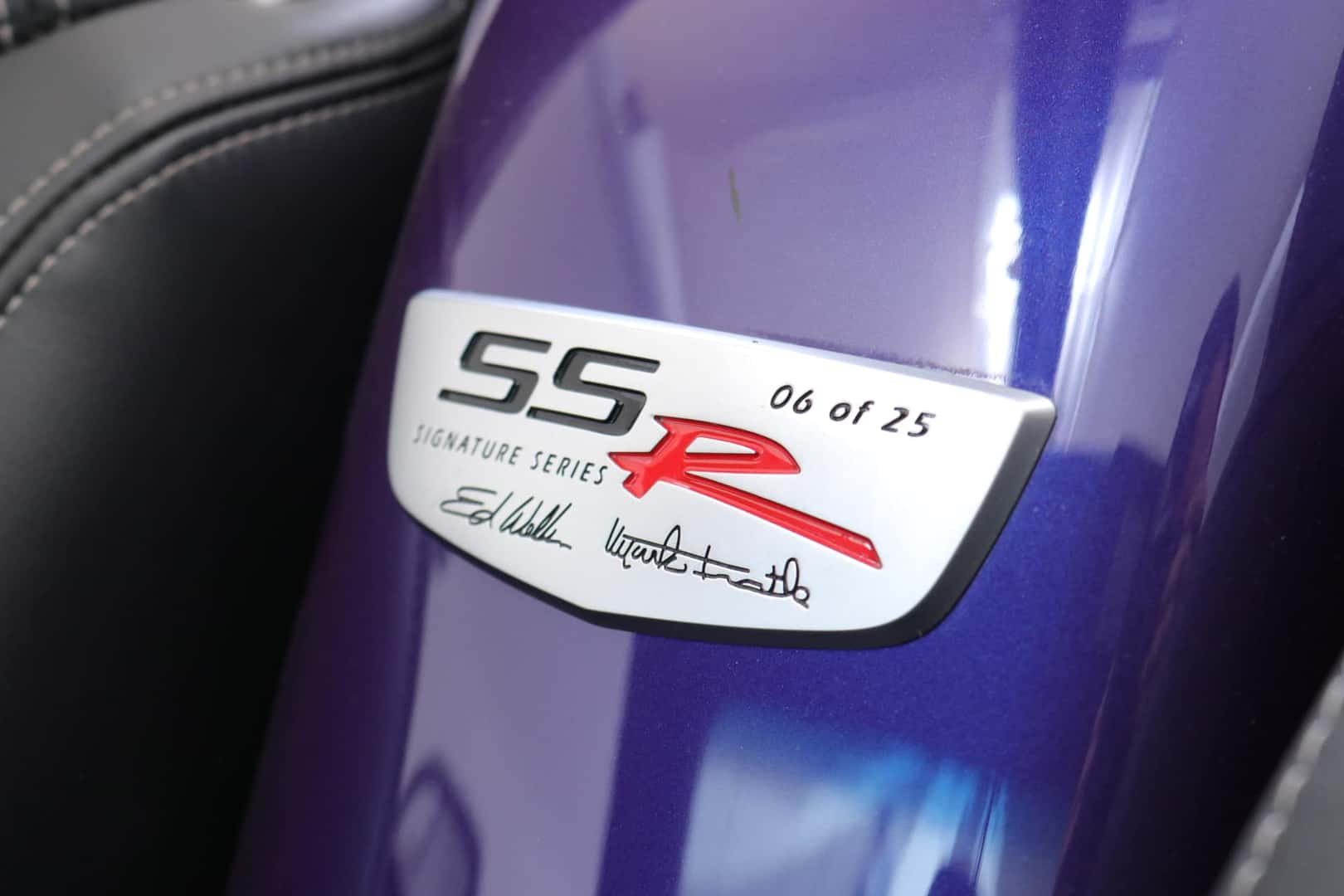
The Signature Series comprised the first 25 vehicles produced, bearing vehicle identification numbers (VINs) ending in 000001 through 000025. These units were not part of the standard production run but were specially designated to generate buzz and collector interest. VIN #000001 was retained by General Motors for its historical collection, while VIN #000002 was donated to the SAE Foundation and auctioned for $137,850 to fund automotive scholarships. The remaining 23 vehicles were distributed through auctions organized by Kruse International and GM-sponsored dealer events, with a portion of proceeds benefiting charitable causes.
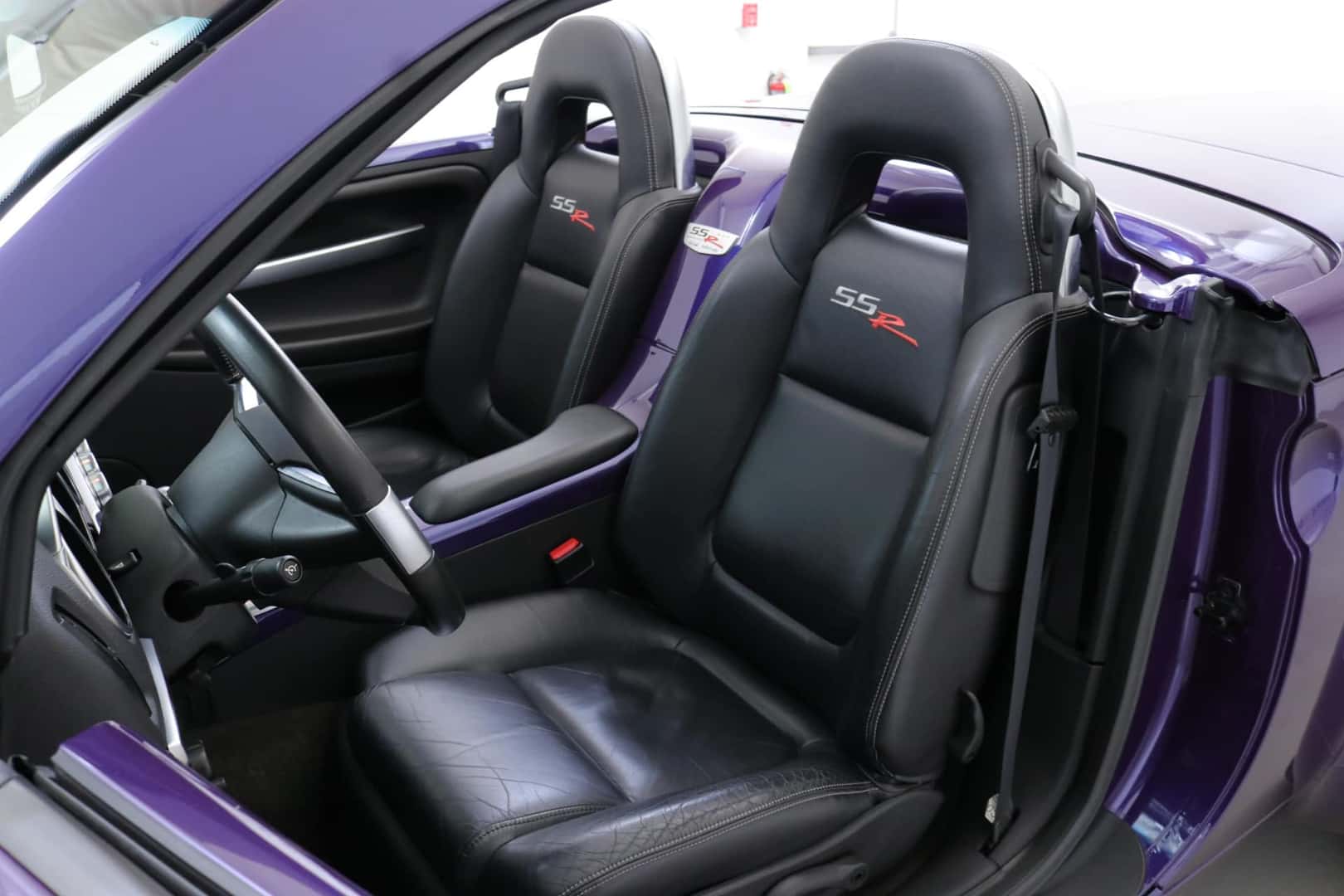
Each Signature Series vehicle was identical in specification, featuring Ultra Violet exterior paint—a color exclusive to this edition initially, later offered optionally in 2004. Unique elements included chromed and numbered Signature Series badges on the interior “waterfall” panel, signed by at least two GM or supplier team members; silver stitching on the black leather steering wheel and seats; an SSR logo on the VIN plate; a body-color engine cover with silver inserts and billet aluminum strips; embroidered floor mats; and enhanced cargo compartment trim with wood strips, lighting, and storage.
To enhance their exclusivity, each vehicle was assigned a “pedigree” through participation in prominent activities, such as serving as the pace car for the 2003 Indianapolis 500 (VIN #000004), music tours with artists like the Doobie Brothers and Los Lobos, street art exhibitions, media reviews, and racing events. Memorabilia, photographs, autographs, and news clippings from these experiences were compiled into custom scrapbooks and housed in metal pedigree boxes provided to buyers. Additionally, the vehicles were autographed by GM executives, designers, engineers, and builders, further elevating their status as collectibles.
Specifications and Features
The 2003 Chevrolet SSR, including the Signature Series, was equipped as follows:
-
Engine: 5.3-liter V8, delivering 300 horsepower.
-
Transmission: 4-speed automatic (no manual option available in 2003).
-
Drivetrain: Rear-wheel drive.
-
Performance: Acceleration from 0 to 60 mph in approximately 7.6 to 7.7 seconds.
-
Fuel Economy: 15 mpg city / 19 mpg highway (EPA estimates).
-
Dimensions and Capacity: Two-seat configuration; payload capacity of 1,310 pounds; fuel tank capacity of 25 gallons.
-
Wheels and Tires: 19-inch front tires and 20-inch rear tires.
-
Exterior Features: Retro styling with flared fenders, chrome tailpipes, high-mounted mirrors, and a two-piece retractable hardtop that operates in about 25 seconds via a single button.
-
Interior Features: Bucket seats with metallic trim accents on the dashboard, shifter, and steering wheel; intelligent use of space for comfort and accessibility.
-
Additional Elements: Low-restriction dual exhaust for a distinctive sound; full GM warranty coverage at the time of production.
These specifications provided a balance of performance and utility, though the vehicle was noted for its athletic handling despite its size and weight.
Production and Sales
Annual production targets were set at 14,000 to 15,000 units, but actual output varied: 1,664 in 2003, 9,648 in 2004, 8,107 in 2005, and 3,803 in 2006, with remaining inventory sold in subsequent years. The base MSRP for the 2003 model was $41,370, though demand initially drove prices higher. The Signature Series vehicles were sold exclusively via auctions, emphasizing their limited nature.
Reception and Legacy
Upon release, the SSR garnered significant attention for its bold, nostalgic design and head-turning presence, appealing to a wide demographic. Owners praised its fun driving dynamics, especially with the top down, and its reliability, with some examples accumulating high mileage under proper maintenance. However, critiques included wind noise with the top up, cowl shake over bumps, and initial perceptions of being underpowered relative to its price point. Despite commercial underperformance leading to discontinuation in 2006, the SSR has cultivated a cult following among enthusiasts, with the Signature Series holding particular value as rare collectibles.

0 comment(s) so far on Chevrolet SSR Signature Series